
Last updated September 25, 2026
DIY vs Professional ADU: The Diamond Bar Homeowner’s Decision Guide
A Diamond Bar homeowner who pulls an owner-builder ADU permit to save $30,000 in contractor fees may be creating a title encumbrance that reduces resale value by more than that amount, and the disclosure obligation doesn’t expire. In this guide and our How to Hire a ADU Contractor in Diamond Bar: A Step-by-Step Guide, we’ll walk through what California law actually allows under an owner-builder permit, where your insurance coverage ends and construction liability begins, and why the permit type changes the applicant but not the drawing requirement. You’ll learn the specific tasks you can legally self-perform in Diamond Bar, the licensed-trade work you cannot, and how to evaluate whether the savings are real or borrowed against your property’s future sale price.
Quick Answer
Most Diamond Bar homeowners cannot legally build a permitted ADU entirely themselves. California’s owner-builder exemption lets you act as your own general contractor, but you must still hire licensed subcontractors for electrical, plumbing, HVAC, and structural work, and you remain personally liable for all defects, injuries, and code violations for ten years. The permit savings rarely exceed 15-20% of total project cost, while the resale disclosure obligation and title complications persist indefinitely.
Table of Contents
- What California Owner-Builder Law Actually Allows
- The Insurance Gap: What Your Homeowner’s Policy Won’t Cover
- The Permit Set Requirement: Drawings Don’t Change
- Resale Disclosure: The Hidden Cost of Owner-Built Structures
- What You Can Legally Do Yourself in Diamond Bar
- Cost Reality Check: Where the Savings Actually Come From
- Common Mistakes to Avoid
- When to Call a Professional
- Frequently Asked Questions
- The Bottom Line
What California Owner-Builder Law Actually Allows
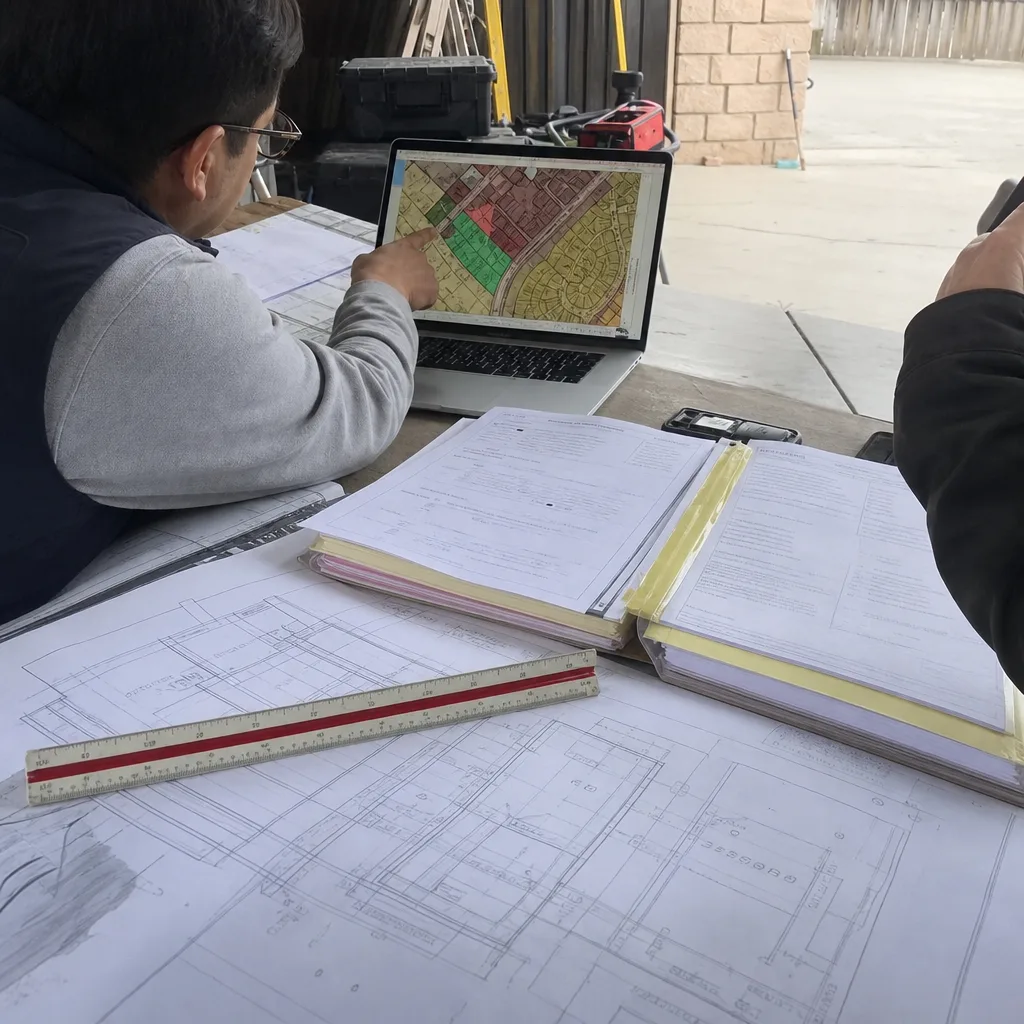
California Business and Professions Code §7044 contains the owner-builder exemption that every prospective ADU builder in Diamond Bar should read before visiting the permit counter. The statute allows a property owner to obtain a building permit as an owner-builder without a contractor’s license, provided the work is on their own property and intended for their own occupancy. The exemption is narrow, and the conditions are specific.
First, the owner-builder must personally supervise all construction. You cannot delegate this to an unlicensed friend or family member and remain within the exemption. Second, the statute limits how many structures you can build under this exemption: one per year for new construction, with additional restrictions if you sell within twelve months of completion. Third, and most critically for ADU projects, the exemption does not extend to licensed trades. Electrical, plumbing, HVAC, and structural work must still be performed by contractors holding the appropriate California license classification, or you commit a misdemeanor under Business and Professions Code §7028.
The twelve-month resale rule trips many Diamond Bar homeowners. If you sell the property within twelve months of completing owner-builder work, you must disclose that fact to the buyer, and the buyer can rescind the sale if the disclosure is inadequate. This isn’t a suggestion, it’s a statutory requirement with teeth. We’ve reviewed permit files at Diamond Bar City Hall where owner-builder projects were sold six months after final inspection, triggering disclosure disputes that delayed closing by months.
The exemption language gets misread because it appears to grant broad permission. It does not. It grants permission to act as your own general contractor, not to perform all trades yourself. The distinction matters. A general contractor in California coordinates licensed subcontractors, pulls permits, schedules inspections, and carries liability insurance. An owner-builder doing the same work assumes all those liabilities personally, without the insurance infrastructure or the statutory limitations on liability that licensed contractors operate under.
For Diamond Bar specifically, the city enforces Los Angeles County building codes with local amendments. The planning department requires owner-builders to attend the same pre-submittal conference as licensed contractors, and the building official has discretion to require additional documentation for owner-builder projects, including proof of homeowner’s insurance coverage and a signed acknowledgment of the ten-year liability period.
The Insurance Gap: What Your Homeowner’s Policy Won’t Cover
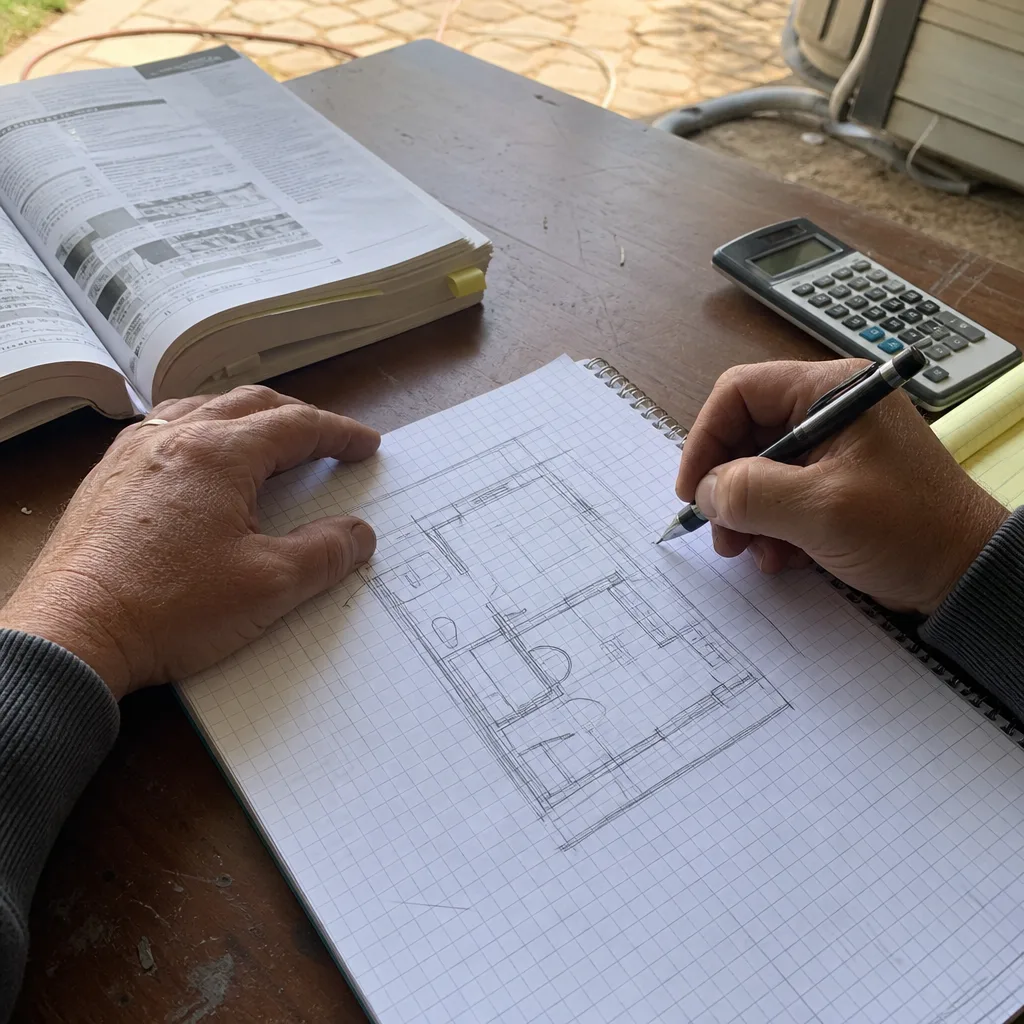
Your standard homeowner’s policy excludes construction-related liability. This isn’t a gray area or a hidden clause, it’s an explicit exclusion in virtually every HO-3 and HO-5 policy sold in California. When you pull an owner-builder permit, you step into a coverage void that most homeowners don’t discover until after a loss.
Here’s what happens. A worker, even a volunteer helper, falls from a ladder during framing. Your homeowner’s policy denies the claim because the injury arose from “business pursuits” or “construction activities.” You are now personally liable for medical costs, lost wages, and potential negligence damages. In California, construction site injuries routinely generate six-figure claims.
The alternative is a course-of-construction policy, sometimes called a builder’s risk policy. For an ADU project in Diamond Bar, expect to pay $1,200 to $3,500 for a twelve-month policy, depending on project value and whether you’re using any unlicensed labor. This policy covers the structure during construction, materials on site, and some liability exposure. It does not replace workers’ compensation coverage, which you cannot easily purchase as an individual without employees.
Vacant-dwelling coverage presents another gap. If your main house becomes unoccupied during extended construction, your standard policy may further restrict or void coverage for the primary residence. We’ve seen Diamond Bar homeowners whose main house suffered water damage during ADU construction, only to have the claim denied because the property was “under renovation” and “not maintained as a residence.”
The cost comparison matters. A licensed contractor carries general liability ($1-2 million typical), workers’ compensation (statutorily required with employees), and often an umbrella policy. This coverage is embedded in their overhead, typically 8-12% of project cost. As an owner-builder, you must replicate this coverage yourself or accept naked liability. The $30,000 savings from eliminating contractor markup evaporates quickly with a single injury claim or a construction defect lawsuit, as detailed in our ADU Cost Breakdown: The Diamond Bar Homeowner’s Reference for 2026.
Under Haven Standard Clause 3 (Documented Coverage), Ellery ADU Studio Diamond Bar maintains current certificates of insurance for every project, and clients receive copies with their permit set. The coverage is verified, not merely claimed.
The Permit Set Requirement: Drawings Don’t Change
The most common misunderstanding we correct in Diamond Bar consultations is this: the owner-builder permit changes who signs the application, not what documents must accompany it. You still need a complete, stamped permit set. The city of Diamond Bar requires the same structural calculations, energy compliance documentation, Title 24 reports, and engineered drawings regardless of who pulls the permit.
An unlicensed designer preparing your permit set violates Business and Professions Code §5536, which requires architectural drawings for structures over certain thresholds to be prepared by a licensed architect or under their direct supervision. ADUs under 800 square feet with no structural complications may qualify for exemptions, but most Diamond Bar projects exceed this or involve hillside grading, existing garage conversions with structural questions, or utility connections that trigger engineering review.
The permit set for a typical Diamond Bar garage conversion ADU includes:
- Site plan showing existing and proposed structures, setbacks, and utility locations
- Floor plans with room labels, dimensions, and door/window schedules
- Elevations showing exterior materials and heights
- Structural plans with calculations for any new framing, foundation work, or seismic retrofit
- Electrical, plumbing, and HVAC plans with load calculations
- Energy compliance documentation (Title 24, Part 6)
- Green building compliance (CALGreen)
- Fire separation details for attached or garage-adjacent units
Each of these documents requires professional preparation. The structural plans need a licensed structural engineer’s stamp. The energy compliance requires certified software analysis. The electrical plan must account for service panel capacity, which in Diamond Bar’s older neighborhoods, particularly south of Grand Avenue, often requires utility coordination with Southern California Edison that homeowners cannot perform directly.
We’ve reviewed owner-builder permit applications at Diamond Bar City Hall that were rejected because the “hand-drawn” site plan lacked survey-grade boundary verification, or because the energy calculations were performed with outdated software versions. Each rejection costs two to four weeks. The permit set is not a place to economize, it’s the foundation of everything that follows.
ADU Design & Permitting in Diamond Bar covers our permit set process in detail, including the documentation you receive at each milestone.
Resale Disclosure: The Hidden Cost of Owner-Built Structures
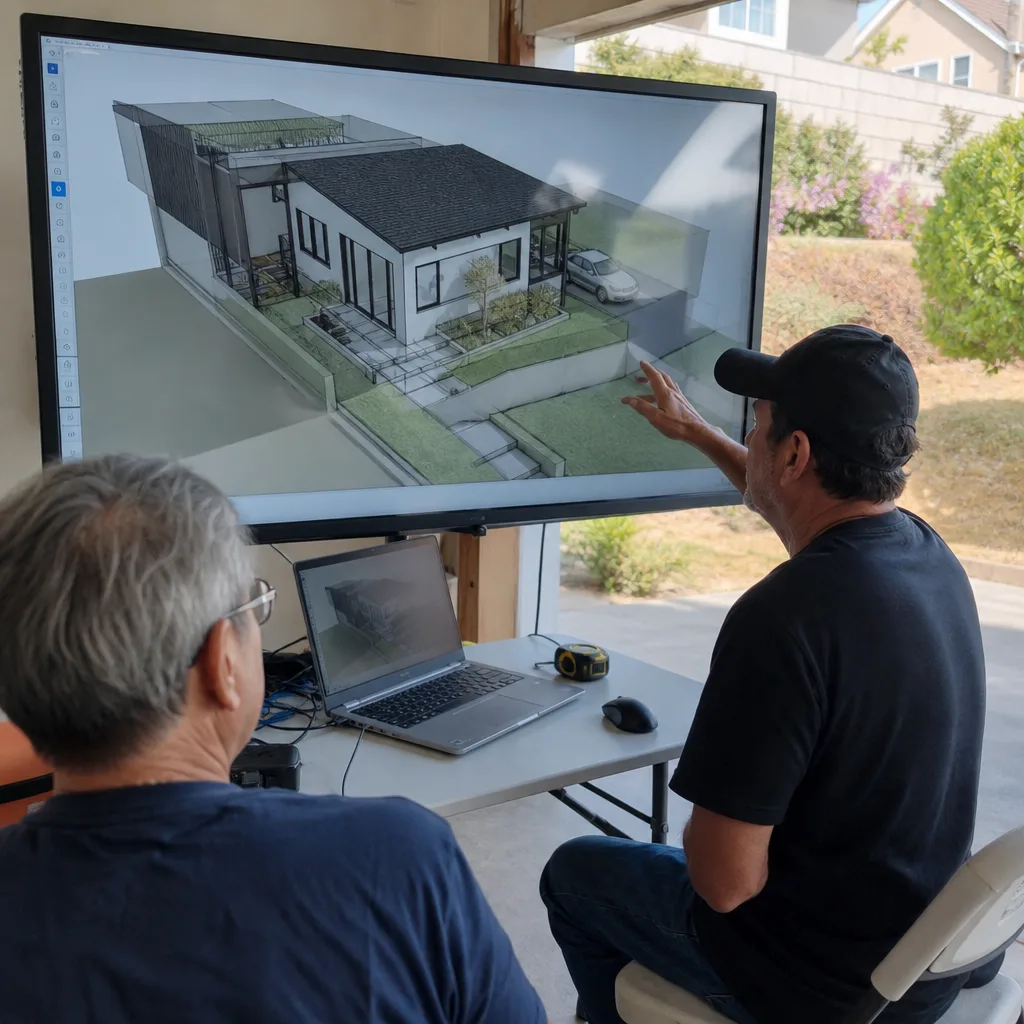
California Civil Code §1102 requires disclosure of any room addition or other structural modification made without a building permit. The owner-builder permit is permitted work, but it triggers its own disclosure requirements that affect title and financing for years.
When you sell a property with owner-builder work, the Transfer Disclosure Statement asks specifically whether you performed work as an owner-builder. A “yes” answer requires additional explanation. Title companies flag this for review. Buyer’s lenders may require additional inspections or documentation. FHA and VA loans, common among first-time buyers in Diamond Bar’s entry-level market, impose additional scrutiny on owner-built structures.
The twelve-month rule creates a particular trap. If you complete owner-builder work and sell within twelve months, you must disclose the date of completion and confirm that the work passed all inspections. Miss this, and the buyer has statutory rescission rights. But even beyond twelve months, the disclosure obligation persists. The question on the form doesn’t have a time limit.
Title insurance complications follow. A standard owner’s title policy excludes defects “known to the insured but not disclosed.” If you knew the owner-builder work had defects, or if inspections revealed issues you didn’t correct, title coverage may not protect you from post-sale claims. Some title companies in Los Angeles County now specifically exclude owner-builder construction from standard coverage, requiring a supplemental endorsement that costs $400-800.
The resale impact is measurable, not theoretical. In Diamond Bar’s market, where ADUs are increasingly common and buyers are sophisticated, owner-builder construction without documented warranty coverage reduces comparable sale prices. We’ve analyzed MLS data with clients considering this path, and the discount typically ranges from 3-5% of ADU value, often exceeding the original contractor fee savings.
The alternative is documented professional work with transferable warranty. Under Haven Standard Clause 7 (Transferable Protection), our 365-Day Done Right Promise transfers to subsequent owners with proper documentation, eliminating the title company flag and the buyer financing friction.
What You Can Legally Do Yourself in Diamond Bar
California law and Diamond Bar’s building code do allow owner-builders to perform specific tasks without licensed subcontractors. The boundary is clear: finish work and non-structural cosmetic improvements are generally permitted, anything affecting life safety or structural integrity is not.
Tasks you can legally self-perform under an owner-builder permit:
- Interior painting and finish carpentry (baseboards, trim, non-structural shelving)
- Exterior painting and staining, provided no lead-based paint is disturbed
- Landscaping, hardscaping, and irrigation (excluding backflow prevention device installation)
- Tile setting on floors and walls (not shower pans, which require waterproofing certification)
- Cabinet installation (not electrical or plumbing connections)
- Window and door installation in non-structural openings (structural headers require engineering)
- Insulation installation in accessible spaces
- Drywall hanging and finishing
Tasks requiring licensed subcontractors regardless of permit type:
- Electrical work of any kind, including low-voltage and EV charging circuits
- Plumbing work beyond fixture replacement (new lines, gas connections, sewer)
- HVAC installation, ductwork modification, or refrigerant handling
- Structural framing, foundation work, or seismic retrofit
- Roofing on structures over 120 square feet
- Fire sprinkler installation or modification
The practical reality for Diamond Bar’s climate and code environment, covered in our Seasonal ADU Care for Diamond Bar: Year-Round Homeowner’s Guide: most of the work you can self-perform happens in the final 15-20% of the project timeline. The early phases, foundation through rough mechanical, are almost entirely licensed-trade work. Your personal labor contribution is valuable but limited by law, not merely by skill.
In Diamond Bar’s Walnut Valley and Country Estates neighborhoods, we’ve seen capable homeowners perform excellent finish work after our crews completed the licensed trades. The model works when boundaries are respected. It fails when homeowners attempt electrical panel upgrades or gas line rerouting themselves, triggering stop-work orders and re-inspection fees that erase any savings.
Cost Reality Check: Where the Savings Actually Come From
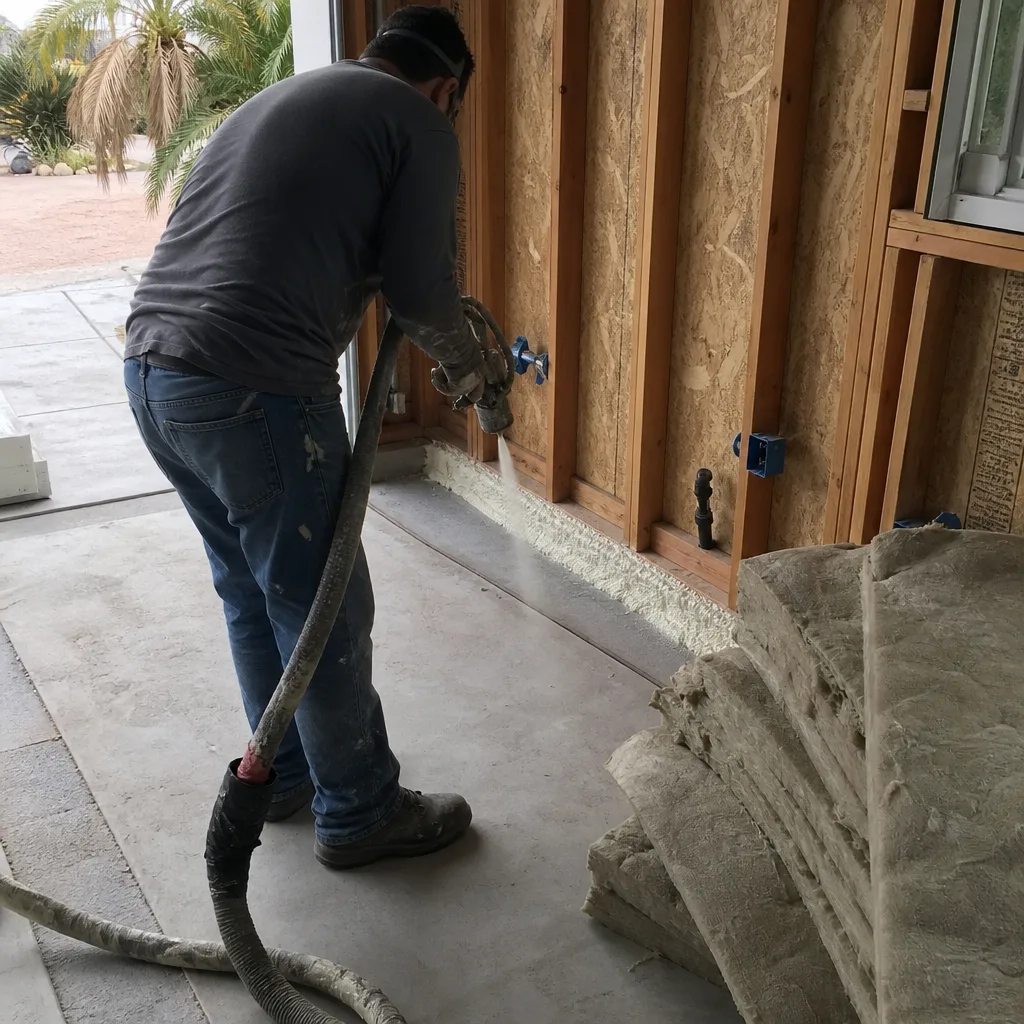
The honest math on owner-builder savings is smaller than most Diamond Bar homeowners assume at the start. Here’s how the numbers break down for a typical 500-square-foot garage conversion ADU in Diamond Bar’s current market.
Total project cost with professional design-build: $185,000-$240,000 all-in, including permit set, city fees, construction, and final inspection. This range reflects finish level, existing garage condition, and utility connection complexity.
Where owner-builder savings appear:
- General contractor overhead and profit: 10-15% of construction cost, roughly $15,000-$28,000
- Some project management labor, if you have flexible schedule and construction knowledge
- Potential material markup avoidance if you have trade accounts and delivery coordination capacity
Where costs shift rather than disappear:
- Permit set and engineering: unchanged, $8,000-$15,000
- City fees: unchanged, $4,000-$8,000 in Diamond Bar
- Licensed trade subcontractors: unchanged, $65,000-$95,000
- Course-of-construction insurance: new cost, $1,200-$3,500
- Your time: 200-400 hours at reasonable value, $10,000-$25,000 opportunity cost
- Extended timeline carrying costs: mortgage, property tax, utilities during delays
The net savings for a competent, available homeowner who manages the project well: typically $8,000-$18,000 on a $200,000 project, or 4-9%. This assumes no major errors, no injury claims, no permit rejections, and no extended timeline. Each of those assumptions fails regularly enough that the expected value is lower.
The cost question also depends on ADU type. Garage Conversion ADU in Diamond Bar typically offers the smallest owner-builder savings because the existing structure limits your labor contribution. New Detached ADU in Diamond Bar presents more self-perform opportunity but also more licensed-trade dependency for foundation, utility trenching, and structural work.
Under Haven Standard Clause 1, every Ellery ADU Studio Diamond Bar project is quoted with a written price before any work begins. The range above is market context, your specific project receives a fixed number in writing.
Common Mistakes to Avoid
- Assuming the owner-builder permit eliminates professional requirements. The permit changes the applicant’s name, not the drawing, engineering, or licensed-trade requirements. Diamond Bar’s building official will reject incomplete applications regardless of who signs them.
- Performing electrical or plumbing work without the proper license. This is a misdemeanor in California, not a code violation. The city can halt work, revoke the permit, and refer for prosecution. We’ve seen this happen on three Diamond Bar projects in the past two years.
- Neglecting the resale disclosure timeline. The twelve-month rule is a minimum, not a maximum. The disclosure obligation persists for all future sales, and the documentation burden grows as records age and inspectors retire.
- Using unlicensed design services to save on the permit set. Unlicensed architectural practice is a separate violation from unlicensed contracting. A permit set prepared without proper licensure can be rejected years later during a title search or insurance claim.
- Ignoring Diamond Bar’s specific hillside and drainage requirements. Properties in the canyon areas east of Diamond Bar Boulevard have additional grading and drainage requirements that owner-builders often miss, resulting in stop-work orders and engineered remediation that costs more than original professional fees.
- Failing to coordinate Southern California Edison service upgrades. Many Diamond Bar homes need panel capacity increases for ADU electrical service. SCE requires licensed electrical contractor coordination for service changes; owner-builders cannot perform this work or this coordination directly.
- Assuming prefab or modular ADUs bypass owner-builder complications. Factory-built units from Cover, Dvele, or Mighty Buildings still require site prep, foundation, utility connection, and final inspection by licensed trades. The manufacturer warranty doesn’t cover site work, and owner-builder liability for site conditions remains complete.
When to Call a Professional
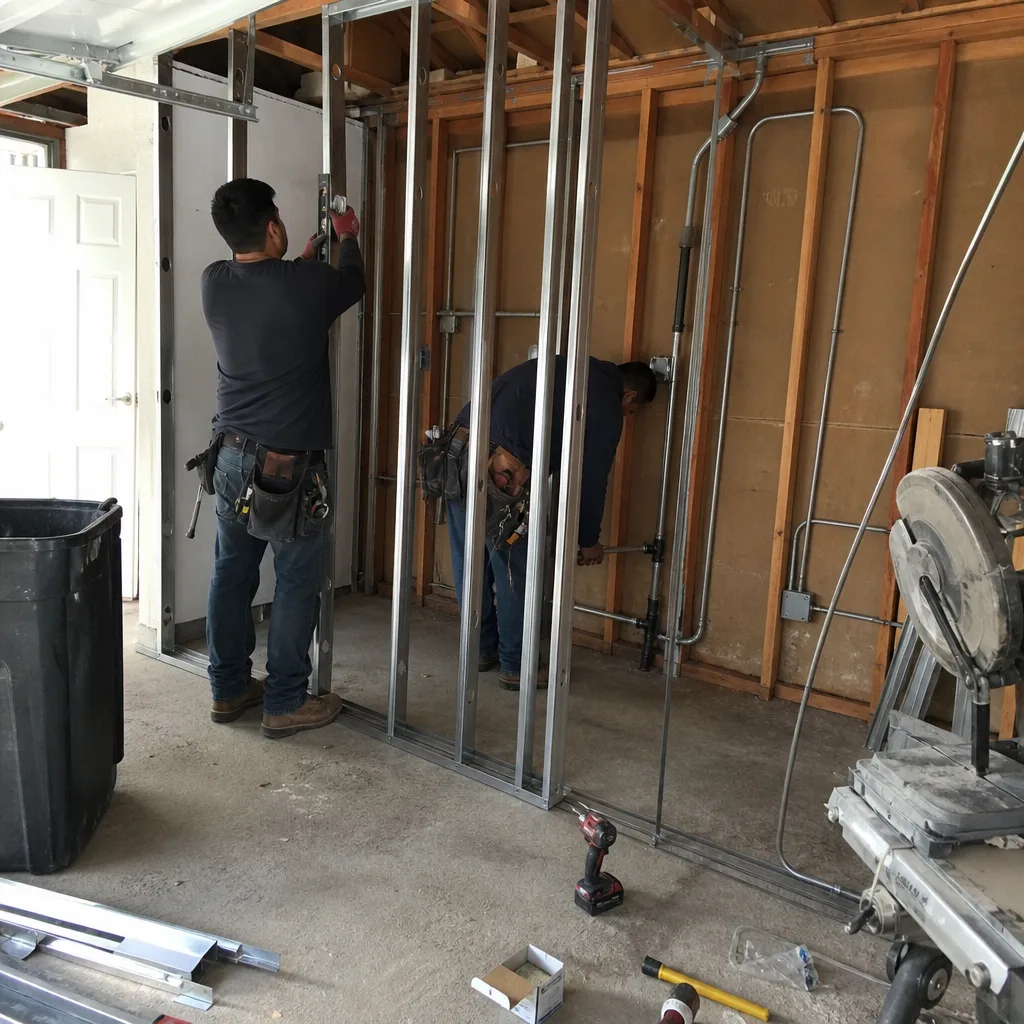
Call a professional when the project involves structural modification, licensed trades, or any work that will be inspected and documented for future property transfer. This describes nearly every ADU in Diamond Bar.
Specifically: if your garage conversion requires foundation evaluation or seismic retrofit; if your property needs utility service upgrades; if you’re considering a detached unit on a sloped lot; if you plan to sell within ten years; if you have limited construction management experience; if your time has professional value exceeding $50 per hour. These aren’t disqualifications, they’re signals that professional coordination will likely reduce total project cost and risk.
Ellery ADU Studio Diamond Bar offers free estimates in Diamond Bar, plus more guides & resources on our blog. We also provide a Free Second Opinion on any written estimate already in hand, including owner-builder cost projections. Call (657) 239-4865 to schedule.
Frequently Asked Questions
A professional design-build ADU in Diamond Bar typically runs $185,000-$240,000 all-in for a garage conversion, and $220,000-$320,000 for a new detached unit. Owner-builder savings are usually 4-9% of total project cost after accounting for insurance, your time, and extended carrying costs. The gap narrows further if any errors require professional remediation. Call (657) 239-4865 for a written quote on your specific project, estimates are free.
Yes, though it’s uncommon. We prepare permit sets for owner-builder clients who want professional drawings but intend to self-perform allowable finish work and coordinate their own licensed trades. The permit set fee is the same, and we provide the same documentation package. Most clients who start this path convert to full design-build once they review the trade coordination requirements. Call (657) 239-4865 to discuss which model fits your situation.
Identical inspection sequences, identical code requirements. Diamond Bar’s building division does not reduce inspection scope for owner-builder projects. Foundation, framing, mechanical, electrical, plumbing, insulation, and final inspections are all required, with the same pass/fail standards. The difference is who schedules them and who is present, and owner-builders often experience longer inspection scheduling delays due to availability constraints.
California law requires specific disclosure of the owner-builder status, completion date, and inspection status. The buyer can rescind the sale if disclosure is inadequate. Title companies flag this for enhanced review. Lenders may require additional documentation. The obligation doesn’t disappear after twelve months, the disclosure requirement simply becomes less specific. Professional work with transferable warranty avoids this friction entirely.
Prefab and modular systems reduce some construction variables but not the owner-builder liability framework. You still need site preparation, foundation, utility connection, and licensed trade final connections. The factory warranty covers the module, not the site work. Ellery ADU Studio Diamond Bar specifies and coordinates Cover, Dvele, Mighty Buildings, Boxabl, and other systems within our single-contract model, which includes site work under the same written warranty. Owner-builder prefab projects often face coordination gaps between factory delivery and site readiness that professional management prevents.
Check the license number on the Contractors State License Board website (cslb.ca.gov). Verify active status, bond, and workers’ compensation coverage. Request certificates of insurance directly from the contractor’s agent, not from the contractor. At Ellery ADU Studio Diamond Bar, our license number appears on every page, and clients receive current certificates with their project documentation under Haven Standard Clause 3. Never hire a contractor who cannot produce these documents on request.
The Bottom Line
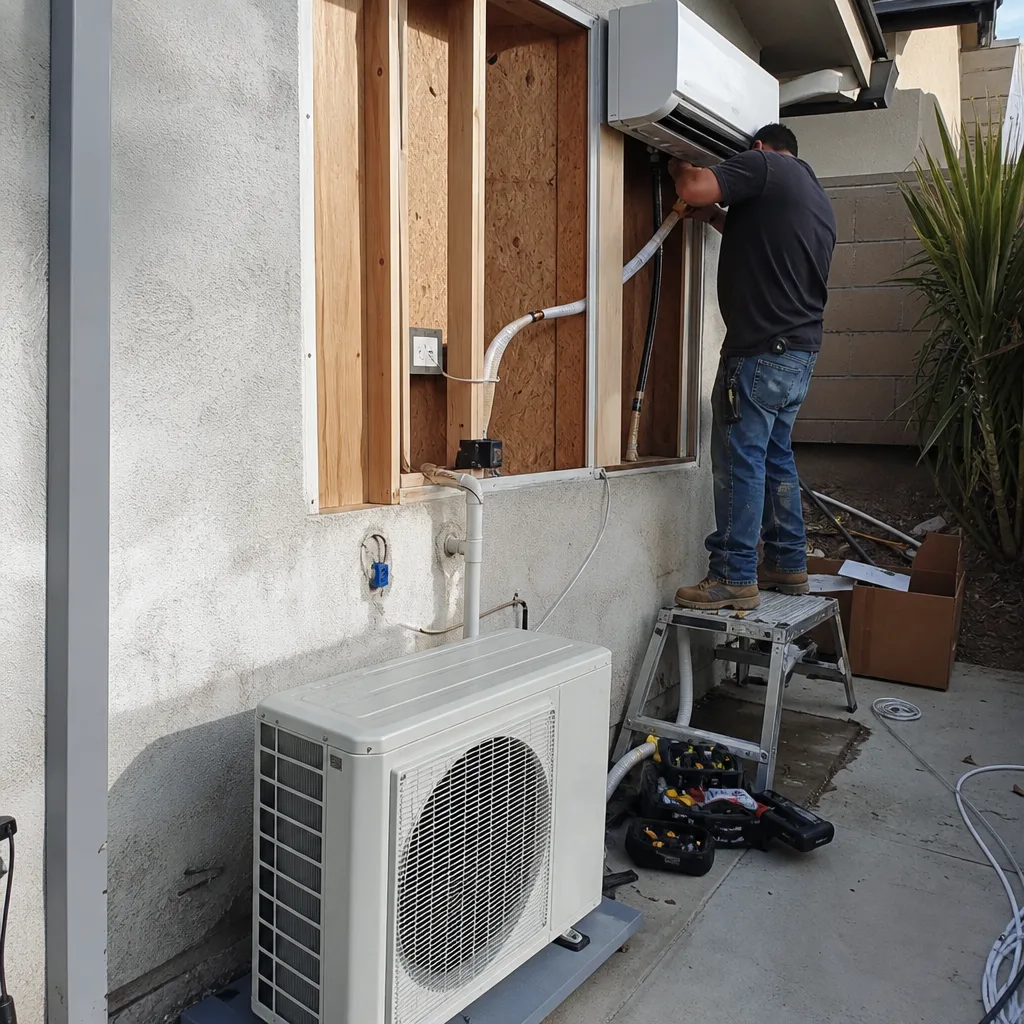
The DIY-versus-professional ADU question in Diamond Bar is legally constrained before it’s financially motivated. California’s owner-builder exemption grants narrow permission with broad liability, and the permit type changes the applicant, not the professional requirements. Most homeowners who pursue this path discover that their personal labor contribution is limited to finish work, while the licensed trades, permit documentation, and liability exposure remain unchanged. The savings are real but smaller than assumed, and the resale complications persist. For most Diamond Bar homeowners, professional design-build coordination reduces total project risk and often total project cost when errors, delays, and opportunity costs are fully accounted.
Written by Nadia Ellery, Owner at Ellery ADU Studio Diamond Bar, serving Diamond Bar since 2015.
Ellery ADU Studio Diamond Bar home | Call (657) 239-4865 for your free estimate.